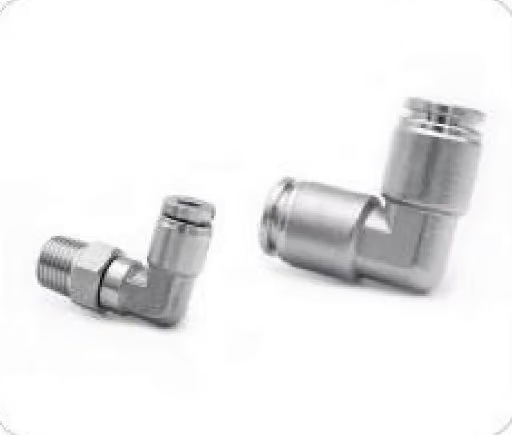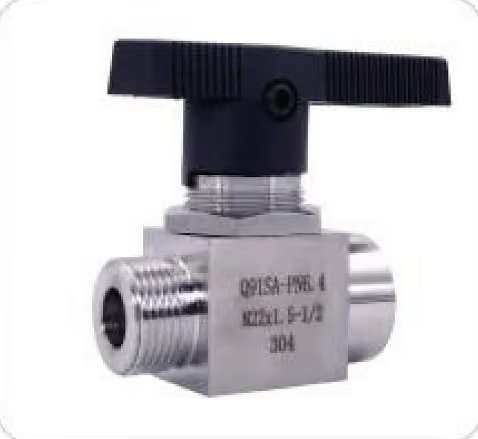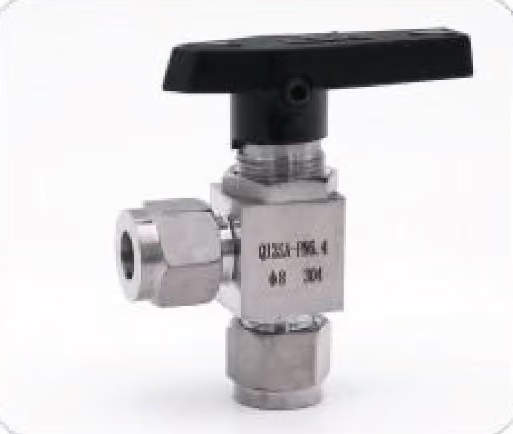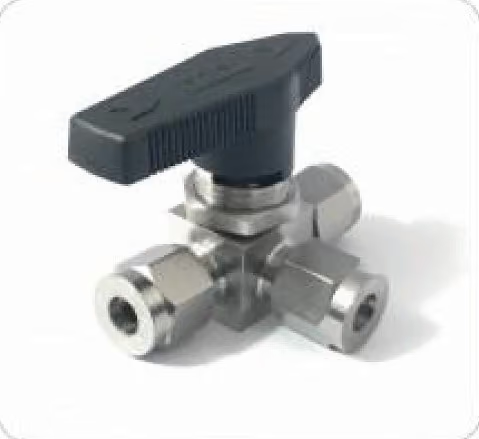
Oxygen service is the most misleading two-word phrase in the fittings catalog, because it sounds like a product description and is actually a process certificate.
On a fitting it means the part was cleaned to a named standard, usually CGA G-4.1, inspected by published methods and sealed in a bag until installation. It is a process claim, not a material grade. Stainless steel does not make a fitting oxygen-clean.
A fitting is not “for oxygen” because it is stainless, new or shiny. In an oxygen-enriched line, a trace of oil is fuel, and a particle under high-pressure oxygen can be a spark.
What the phrase means is a chain of custody: cleaning to a defined standard, verifying it, and keeping the part clean until installation. If the RFQ does not say so explicitly, the chain breaks at the supplier’s loading dock.
Key takeaways
- Oxygen’s hazard is ignition, not corrosion: adiabatic compression and particle impact can light contaminants — oil and grease are fuel — in an oxygen-enriched line.
- The industry convention treats equipment in service above about 23.5% oxygen as oxygen service, a threshold borrowed from OSHA and NFPA atmosphere definitions.
- CGA G-4.1 is the cleaning standard the industry references; ASTM G93 sets cleanliness levels and methods; ISO 15001 covers oxygen compatibility for respiratory and anaesthetic equipment.
- The process is wash, rinse, dry, inspect — with UV blacklight, lint-free wipe and water-break acceptance checks — then seal and label.
- Oxygen-cleaned is not the same as oil-free: one is a verified cleanliness level, the other an assembly practice.
Does my line actually need oxygen service?
The deciding number is the oxygen concentration, not the fitting material. The industry convention applies oxygen-service cleaning to equipment seeing oxygen above about 23.5% by volume, a threshold borrowed from OSHA and NFPA atmosphere definitions. Below that, the line is ordinary air duty.
| What the line carries | What the part needs | What actually decides |
|---|---|---|
| air, or oxygen below about 23.5% | ordinary air duty, no oxygen-service cleaning | the oxygen figure on the line spec |
| oxygen above about 23.5%, plant or industrial gas | cleaned, inspected and certified to CGA G-4.1 | the acceptance criteria you will be audited against |
| pure oxygen | the same CGA G-4.1 chain, every wetted surface in scope | how the part is handled after the bag is sealed |
| anaesthetic or respiratory equipment | ISO 15001 compatibility | the device’s regulatory file, not the fitting catalog |
Write the concentration on the RFQ. “Oxygen service” alone is not a number, and the boundary should not be left to someone else’s guess.
Why does an oxygen fitting burn instead of leak?
Ordinary fittings fail by leaking or corroding; oxygen fittings fail by burning. Two mechanisms drive it, and both are documented.
Adiabatic compression: a fast-opening valve slamming oxygen into a dead-ended line can spike the temperature past the autoignition point of anything organic on the wall. Particle impact: rust or slag carried in the stream strikes a surface and ignites locally.
Both need fuel, and the fuel is contamination — hydrocarbon oil and grease from machining, assembly lubes, fingerprints, cutting fluid. Strip the contaminants and the kindling chain never starts. Oxygen cleaning is not hygiene for its own sake; it removes everything the oxygen could light.
The receiving-side documentation discipline is the same family as EN 10204 3.1 certificates, and the vocabulary lands in the RFQ glossary.
Which standard do I name on the RFQ?
Three standards divide the territory, and each one answers a different question.
| Standard | What it covers | Cite it when |
|---|---|---|
| CGA G-4.1 | methods, cleanliness levels, acceptance criteria and packaging rules | industrial, medical-gas or industrial-oxygen hardware |
| ASTM G93 | cleanliness levels and cleaning methods for oxygen-enriched environments | you need the “how clean is clean” scale a G-4.1 program sits on |
| ISO 15001 | oxygen compatibility for anaesthetic and respiratory equipment | the component feeds a medical device |
Writing CGA G-4.1 cleaned and certified on the RFQ puts a named acceptance criteria behind the word “clean.”
How is a fitting cleaned for oxygen service?
The chain is four steps, an inspection gate and a bag, and each stage is verified before the next one starts.
- Clean. Aqueous detergent or approved solvent bath or circulation, dissolving the organic load.
- Rinse. Until the rinse water itself tests clean.
- Dry. Fully, because a wet bagged part corrodes in storage.
- Inspect. The acceptance methods are the published trio: blacklight for fluorescing hydrocarbon films, a lint-free white-cloth wipe read under white and UV light, and a water-break test. A sprayed film of water must stay unbroken for a defined few seconds; beading means oily residue, and the part goes back to the bath.
- Bag and label. Sealed polyethylene, double-bagged and heat-sealed for small parts, labelled “cleaned for oxygen service” inside and out.
Only after the inspection gate does the part earn the label.
What goes wrong between the bath and the installation?
Cleaned means nothing if the part touches shop air on the way to the crating table. Most failures at this stage are handling failures, not cleaning failures.
| Symptom | Most likely cause | What to change |
|---|---|---|
| water film beads instead of staying unbroken | oily residue still on the wall | back to the bath; the water-break test is the gate |
| part fluoresces under UV blacklight | hydrocarbon film from machining or handling | reclean; it does not pass the inspection gate |
| white cloth wipes grey | particulate or cutting fluid left from machining | reclean and re-rinse until the rinse water tests clean |
| bagged part corrodes in storage | not fully dried before the bag was sealed | dry fully before bagging |
| fitting arrives unbagged, or the bag was opened early | chain of custody broken after cleaning | reject, or reclean and re-bag |
| certificate names no standard and no batch | paperwork did not ride with the part | certificate references the standard and the batch |
The paperwork rides with the part: the cleaning certificate, referenced to the standard and batch, plus the certificate of origin when trade compliance needs it. The two answer different questions, as the RFQ glossary entry on EN 10204 3.1 versus C of O lays out.
What must the RFQ and the label carry?
A cleaning order is only as good as the lines that carry it. This is the checklist:
- oxygen concentration stated as a figure — above roughly 23.5%, or pure oxygen
- standard named: CGA G-4.1 for industrial and medical-gas duty; ISO 15001 only for respiratory-equipment components
- cleaning certificate per batch, referenced to the standard and the batch
- 3.1 mill certificate, where the material spec demands it
- certificate of origin, where trade compliance needs it
- acceptance methods named: blacklight, lint-free wipe, water-break
- double-bagged, heat-sealed, labelled “cleaned for oxygen service” inside and out
- keep-sealed-until-installation instruction
An order without those lines buys an unverified word. A fitting delivered unbagged has broken the chain, whatever its history says.
FAQ
Is oxygen-cleaned the same as oil-free?
No. Oil-free describes how a part was made or assembled. Oxygen-cleaned is a verified cleanliness level, inspected by defined methods and certified to a named standard.
What oxygen concentration triggers oxygen-service rules?
Above about 23.5% by volume — the threshold OSHA and NFPA set for oxygen-enriched atmospheres, adopted by equipment practice. Below that the line is ordinary air duty. Put the figure on the RFQ.
Which standard do I write on the RFQ?
CGA G-4.1 for industrial and medical-gas hardware; ASTM G93 is the companion guide to cleanliness levels and methods. ISO 15001 belongs to anaesthetic and respiratory equipment, so cite it only when the component feeds a medical device.
What inspection proves a fitting is oxygen-clean?
The published trio: UV blacklight for fluorescing hydrocarbon films, a lint-free white-cloth wipe read under white and UV light, and the water-break test. Any one failing sends the part back to cleaning.
Can I clean oxygen-service parts myself in the shop?
Only with a validated process, trained inspectors and the test equipment — blacklight, wipe materials and the discipline to bag immediately. A fingerprint between the bath and the bag voids the chain.