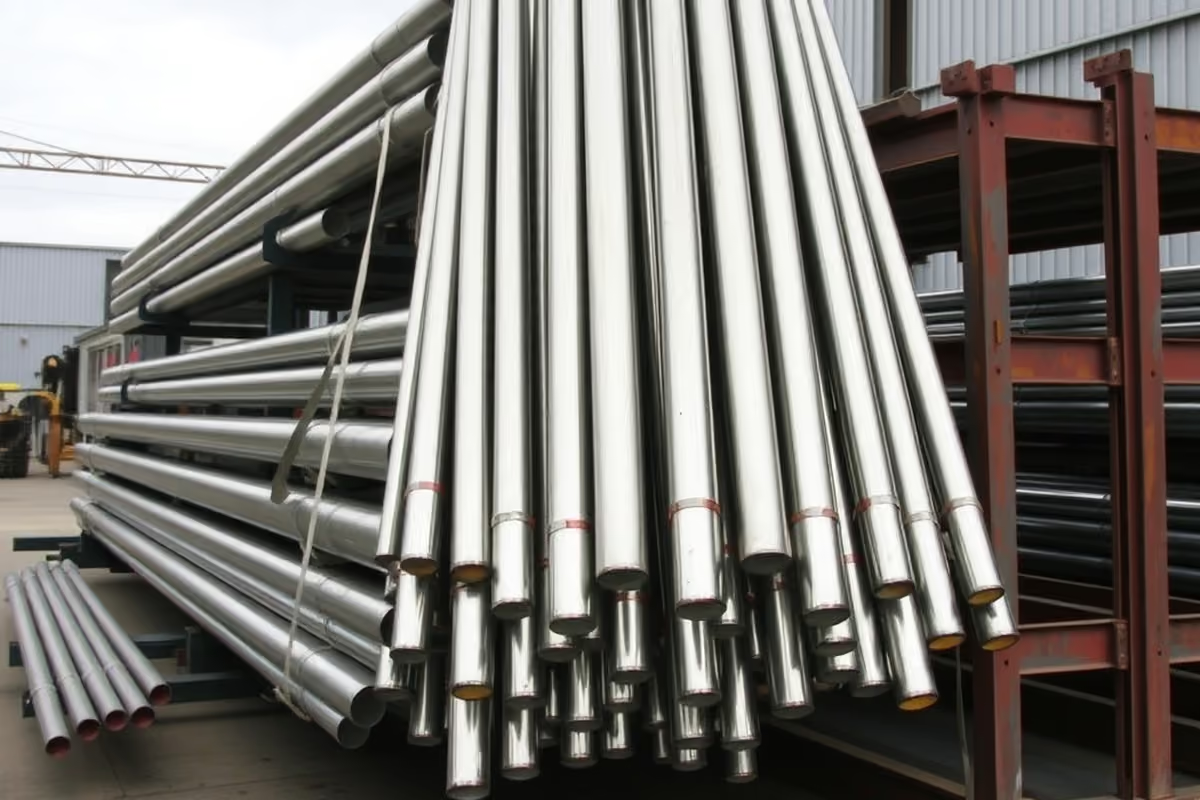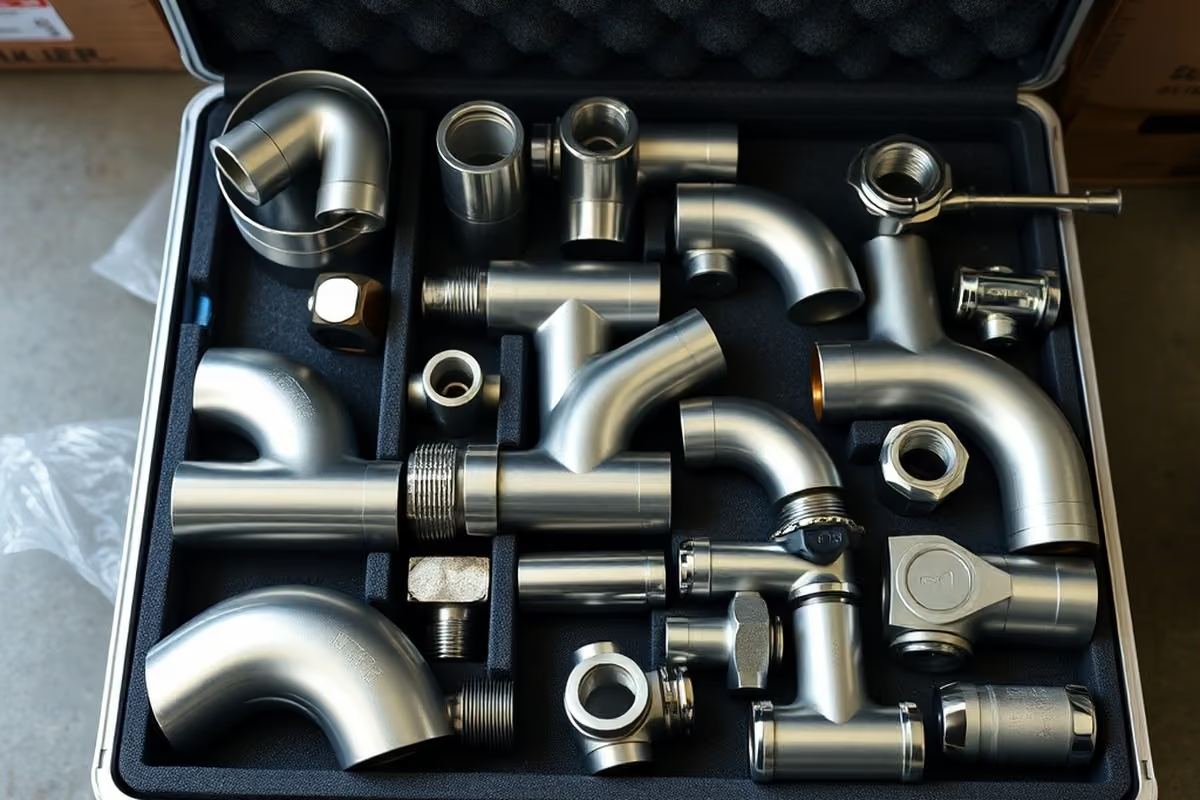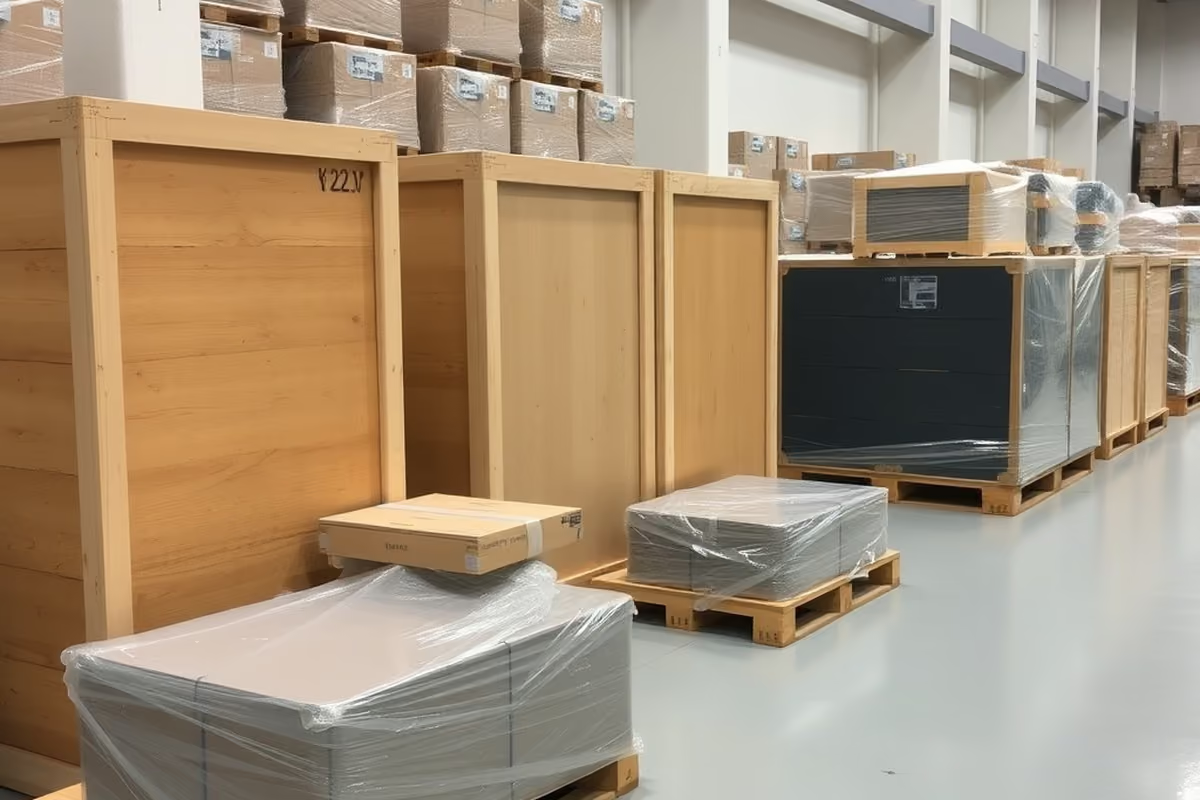
FerruleX is a manufacturing factory, not a pure trading desk, and that is what shortens your lead time. Machining, assembly and packing happen under one roof. Stocked metric and imperial sizes leave within days of PO confirmation; custom lines carry a production window in the RFQ reply.
Key takeaways
- A factory with in-house machining and stocked standard SKUs quotes and ships faster than a trading desk, because the price and the production answer come from the same building.
- Lead time splits cleanly in two: stocked metric/imperial sizes leave within days of PO confirmation, while custom or non-stock items get an explicit production window quoted with the RFQ reply.
- The fastest quote is a complete RFQ — size list, material, thread standard, quantity, destination and certificate needs in one message — because every missing item is a round-trip day.
Which line do I need: stocked or custom?
Two different clocks run in any fittings factory. Which clock applies is decided per line item, not per order, so split your BOM before you send it.
| Aspect | Stocked SKUs | Custom / non-stock | What decides it |
|---|---|---|---|
| What it covers | Common compression fittings, ball valve bodies and hose ends in standard metric and imperial sizes, finished or semi-finished in the warehouse | Odd tube OD, special thread combinations, unusual material or altered geometry — barstock machining and inspection | Whether the size, thread and material already exist as a standard item |
| Lead-time clock | After PO confirmation, many of these SKUs leave within days | A clear production window, quoted up front so you can plan around it instead of discovering it after the deposit | Stock status, not the courier |
| Quantity effect | Small orders of stocked sizes are rarely a problem | Small orders of custom geometries carry the setup burden | Run size against fixed setup time |
| RFQ handling | List as stocked lines and they can dispatch immediately | List as custom lines and the production window comes with the RFQ reply | How you wrote that line on the inquiry |
Splitting your BOM into stocked and custom lines at inquiry stage is the single best planning move. It lets you pull delivery forward with a partial shipment instead of waiting for the slowest line.
Why does a factory ship faster than a trading desk?
A trader forwards your inquiry, waits for a factory reply, adds a margin, and sends it back. Each loop eats days, and ambiguous specs bounce twice.
A factory answers capacity, stock and price questions in one pass. The person quoting can see the barstock rack, the machining schedule and the packing bench.
When the reply says a SKU is stocked, it ships. When it is not, the production window in the quote is real, not a placeholder.
For export buyers planning installation crews and container schedules, that certainty is worth as much as the days themselves. A stated window you can plan around beats a shorter estimate you cannot act on.
Does a complete RFQ change the quote speed?
Every back-and-forth costs a day or more across time zones. A complete RFQ locks price and ship date in one pass. One missing thread spec can cost two exchanges on its own.
- Step 1 — Size list or BOM. One line per item: fitting type, tube OD or pipe size, thread on each end.
- Step 2 — Material. SS304 / SS316 / SS316L, per line if it varies.
- Step 3 — Quantity. Per line; factories price by quantity breaks.
- Step 4 — Destination country. It drives packing, documentation and shipping method.
- Step 5 — Certificates and documentation. Mill test certificates, third-party inspection or extra photo requirements, stated up front.
If two families could fit your line, say so. A factory will propose the stocked series that ships fastest rather than quoting a specialty item by default.
What has to be right at packing and documentation?
Export fittings travel far and get handled hard, so packing is part of the product. Cartons are sized and cushioned for the fitting type, machined threads go out capped and plugged, and the load is consolidated for the container.
- Carton sizing and cushioning matched to the fitting type
- Caps and plugs on machined threads
- Container consolidation per shipment
- A packing list travelling with each shipment, so customs and your warehouse can reconcile contents against the PO
- Packing photos requested at inquiry, not after dispatch
- Material certificates referencing the heat numbers of the actual barstock used
- Certificates of origin or extra inspection reports your country or customer requires
Name any country- or customer-specific document in the RFQ so it is built into the schedule, not bolted on afterwards. Naming it costs one line in the inquiry.
What goes wrong, and what do I change?
Slow delivery is rarely the courier. It is usually one of the gaps below, and each has a known fix. Read the symptom first, then change the one input that produces it.
| Symptom | Most likely cause | What to change |
|---|---|---|
| Quote bounces back twice before it is firm | RFQ missing material, quantity, thread on one end or destination country | One line per item with fitting type, tube OD or pipe size and thread on each end, material per line, quantity per line, destination country |
| Stocked lines land after the custom lines | Whole BOM held for one consolidated dispatch | Split stocked and custom lines in the RFQ and ask for split-shipment pricing at quote stage |
| Custom unit price looks high at small quantity | Setup — chucking, first-article inspection, program proving — spread over few pieces | Consolidate custom geometries into fewer, larger lines, or take a stocked equivalent where it fits |
| Threads damaged on arrival | Cartons not sized and cushioned for that fitting type, or threads shipped uncapped | State the fitting type and thread ends on the line, and confirm cap- and plug-protection in the packing instruction |
| Documents missing at dispatch | Certificates and inspection not named in the RFQ, added after the schedule is set | List mill test certificates, third-party inspection and country-specific documents per line |
| Paperwork cost on standard utility stock | Blanket certification across a whole BOM | Mark which lines genuinely need paperwork instead of certifying everything |
Minimum order quantities exist because machine setups have fixed costs. One 25-piece run of a custom fitting consumes nearly the same setup time as a 2,500-piece run.
Small orders of stocked sizes are rarely a problem. Small orders of custom geometries carry the setup burden, which is why consolidating custom items into fewer, larger lines saves real money.
Mill certificates and third-party inspection add cost and a handling step. They are worth it for project and spec work and unnecessary for standard utility stock.
Tell us which lines genuinely need paperwork. Blanket certification across a whole BOM is money spent on documents nobody reads.
How do I send the RFQ?
Send a size list or BOM, material, thread and destination country in one message, plus any certificate or packing requirements. We reply with price, stocked-versus-custom status and a realistic ship date per line.
- Every line states fitting type, tube OD or pipe size, and thread on each end
- Material is given per line where it varies
- Stocked and custom lines are separated
- Certificate needs are marked per line, not for the whole BOM
- Destination country is stated
- Split-shipment pricing is asked for where the BOM mixes the two
Browse categories under /products/ then submit an RFQ on /contact/.
FAQ
How fast is “fast” for a stocked SKU? Many metric and imperial stocked sizes leave within days of PO confirmation. The binding constraint is usually payment and booking, not production. Custom or non-stock items carry an explicit production window in the RFQ reply.
Can I split a shipment between stocked and custom lines? Yes, and you should. Stocked lines ship immediately while custom lines run through machining, which gets fittings to your crew weeks earlier than one consolidated dispatch. Ask for split-shipment pricing at quote stage.
What documents come with an export shipment? A commercial invoice and packing list travel with every shipment. Material certificates, certificates of origin, third-party inspection reports and pre-shipment photos are available on request. Name them in the RFQ so they are scheduled.
Why does my custom fitting have a high minimum quantity? Machine setup — chucking, first-article inspection, program proving — costs the same whether the run makes 25 pieces or 2,500. Low-quantity custom orders pay that setup disproportionately. Consolidate custom geometries, or take a stocked equivalent where it fits.
Does a factory price beat a trader’s price? Usually, because there is one margin instead of two. The bigger advantage is answer quality: stock status and production windows are firsthand facts, not relayed estimates. Compare total landed cost and stated lead time, not unit price alone.