A quotable stainless fittings RFQ is one line per SKU with six fields filled: fitting type, tube OD and wall, thread standard per end, material grade, quantity, destination country. Those six return a price in one pass. Everything else — certificates, pressure and temperature, packing — decides whether that price is schedule-ready or a starting guess.
Key takeaways
- A quotable RFQ has eight line items per SKU: tube OD and wall, thread standard per end, material grade, quantity with breakdown, destination port and Incoterm, certificates required, pressure and temperature, and packing or labeling needs.
- One line per SKU, sized the way the factory thinks — tube OD × wall for compression fittings, not “thread size” — is what separates a same-day answer from a clarification email.
- Stating certificates (EN 10204 3.1 mill certs, third-party inspection) and target price up front costs nothing and removes the two most common re-quote cycles.
Is your RFQ quotable, or just a request?
The test is not length. A four-line RFQ with the right fields gets quoted; a page of prose without them does not. What separates the two is which fields are present, not how much detail surrounds them.
| What the RFQ gives | What comes back | What decides it |
|---|---|---|
| “500 stainless fittings, 1/2 inch, best price” | A list of questions, one exchange per missing field | Whether 1/2 inch means tube OD, thread or pipe size |
| Tube OD × wall plus thread standard per end | A price for the right series | Whether the fitting is sized to the tube or to the thread |
| Material grade named: SS304, SS316 or SS316L | Price and stock status per alloy | Whether the alloy is fixed or still open |
| Certificates and pressure class stated | Certificate cost and class inside the quote | Whether the paperwork is in scope |
| Destination port and Incoterm stated | A figure you can compare with other quotes | Whether freight and packing are included |
One line settles the whole table. The compression fitting sizing logic is why the factory starts at tube OD and not at the thread.
What has to be on every line?
| Line item | Why the factory needs it | What goes wrong when it’s missing |
|---|---|---|
| Tube OD and wall | Compression fittings are sized by tube OD (see the sizing logic in what is a compression fitting) | Wrong series quoted; quote unusable |
| Thread standard per end | NPT, G, R or metric are not interchangeable | Quote for the wrong end; rework order |
| Material grade | SS304 / SS316 / SS316L changes price and stock | Silent downgrade risk; re-quote |
| Quantity + breakdown | Factories price by quantity breaks and MOQ logic | No price breaks; MOQ surprise after deposit |
| Destination port + Incoterm | Drives freight, packing and documentation | Price without logistics is not a landed cost |
| Certificates required | EN 10204 3.1 mill certs, third-party inspection add steps | Delayed dispatch; certificate scramble |
| Pressure and temperature | Selects the class and the seat material | Under-specified valves fail early |
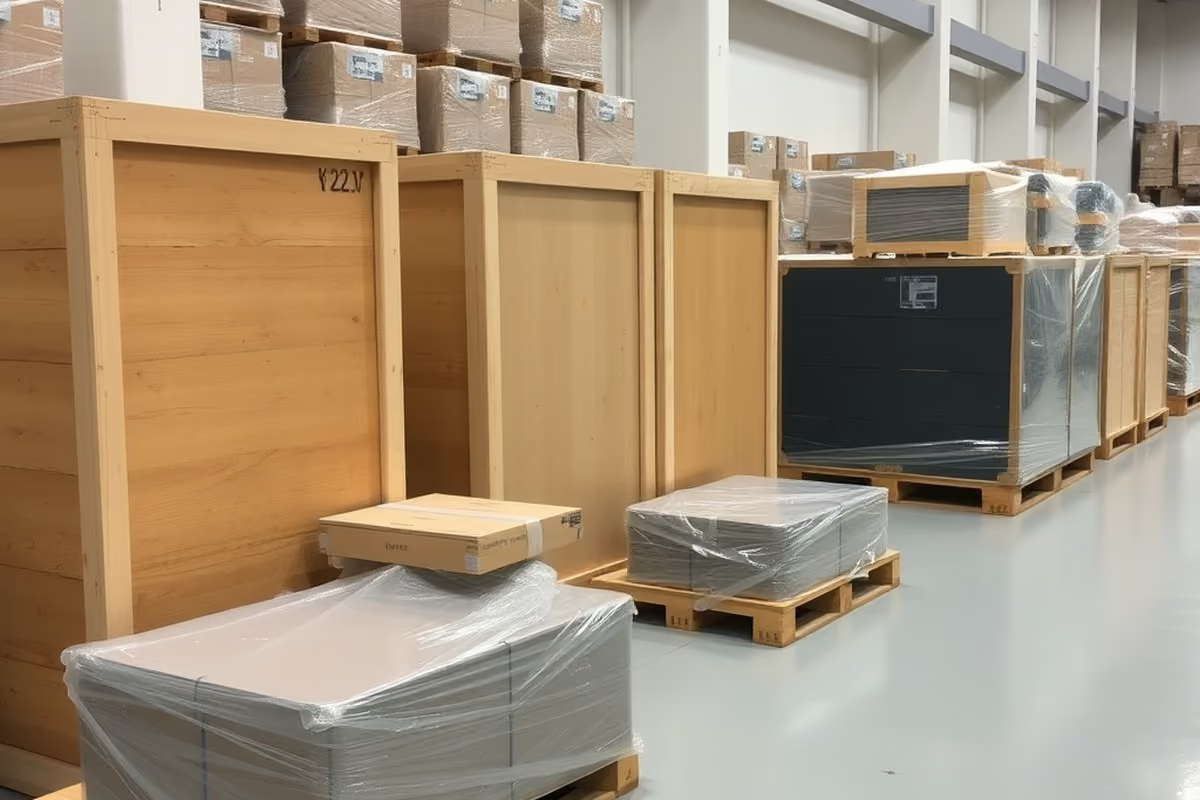
| Packing / labeling | Export cartons, labels, photos are scheduled, not assumed | Cartons repacked at cost after the fact |
| Target price (optional) | Anchors the negotiation honestly | Multiple rounds of counter-offers |
Target price is the one optional line. The other eight are decisions the factory cannot infer from a drawing or a fitting name: each one moves price, stock or schedule. State them per SKU, not once for the whole order.
How do I lay out the list so it quotes in one pass?
One line per SKU, columns in the order the factory reads them. Then follow five steps.
- Set the columns: item number, fitting type, tube OD × wall, thread per end, material, quantity, notes.
- Attach a drawing or photo for anything non-standard rather than describing it in prose.
- Mark each line as stocked-standard or custom geometry.
- Split quantities per line so price breaks apply where they should.
- State the destination country even when freight sits with your forwarder — it changes packing, documentation and sometimes the material paperwork.
A target price goes last, labelled as a target: an honest anchor ends negotiation in one round instead of three. Before it goes out, check each line against this list:
- Tube OD and wall written on every compression line
- Thread standard named on both ends
- Material grade fixed per line
- Quantity split and broken down
- Destination port and Incoterm stated
- Certificates named: EN 10204 3.1, third-party inspection
- Pressure and temperature stated for valves
- Packing and labelling specified
What does each omission cost?
| What you see | Most likely cause | What to change |
|---|---|---|
| Quote comes back for the wrong series | “1/2 inch” read as a thread, not a tube OD | Write tube OD × wall, plus thread standard per end |
| Wrong ends on the delivered order | Thread standard left to assumption: NPT, G, R and metric do not interchange | Name the standard on both ends |
| Dispatch slips after the order is placed | Certificates raised at order, not at inquiry; mill certs and inspectors are scheduled | State certificates in the RFQ |
| Valve fails early in service | Pressure and temperature unstated, so class and seat material were guessed | State working pressure and temperature |
| Two quotes cannot be compared | Different Incoterms, or one quoted stocked equivalents and the other custom geometry | State port and Incoterm; mark stocked vs custom |
| Cartons repacked at cost after dispatch | Packing and labelling treated as assumed | Specify export cartons and item labels |
Missing thread spec costs a round trip and risks a wrong-end order. Missing certificates costs dispatch days, because inspectors and mill certs are scheduled, not summoned; the certificate types and the exact RFQ wording are mapped in our EN 10204 3.1 certificate guide.
Missing pressure and temperature costs the valves: a 1000 WOG body with the wrong seat arrives on time and fails early. Missing the Incoterm means the quote is not comparable with any other quote you receive.
What does a worked RFQ look like?
Thin: “Need 500 stainless fittings, 1/2 inch, best price.” That request cannot be quoted — half inch of what, threaded what, in which alloy, going where, with which papers. The reply is a list of questions, and each exchange costs a day.
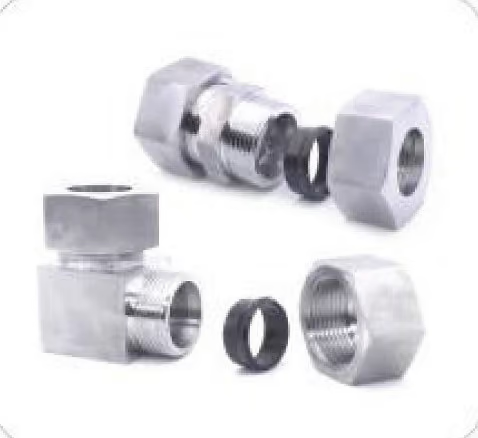
Quoting: “SS316L double-ferrule male connectors, 12 mm tube OD × 1 mm wall × G1/2 male, 300 pcs; SS304 same body, 200 pcs. Working pressure 40 bar, ambient temp. Destination: Hamburg, FOB Ningbo preferred. EN 10204 3.1 certs required. Export cartons with item labels.” One pass returns stocked status, price breaks, certificate cost and a realistic ship date.
The deeper mechanics of why stocked SKUs quote faster are in how our factory ships faster — this post is the paperwork side of the same truth.
How do I send it?
Send the checklist as a table. Our contact form takes the size list directly, and the delivery page covers how stocked and custom lines move differently. We reply with price, stock status and a real ship date per line. Request a factory quote.
FAQ
What is the minimum a factory needs to quote? Fitting type, tube OD or pipe size, thread standard per end, material grade, quantity and destination country. Those six produce a usable quote; the full checklist produces a comparable, schedule-ready one.
Should I send a drawing or a BOM table? A BOM table for standard items, a drawing for anything with altered geometry. Photos help identify existing fittings. Tables quote faster; drawings define what tables cannot.
Do I have to state certificates at inquiry? Yes — EN 10204 3.1 mill certificates and any third-party inspection add cost and scheduling steps. Named up front they are built into the quote; discovered at dispatch they delay it.
What does stating a target price do? It anchors the negotiation honestly. A factory that can meet it says so in one round; one that cannot explains why. Silent anchoring stretches the same conversation across more emails.
Why did two factories quote such different prices for the same list? Usually scope, not margin: different alloys assumed, different certificate inclusions, different Incoterms, or one quoted stocked equivalents and the other custom geometry. A checklist-complete RFQ makes quotes comparable.